 MERCADAOREIS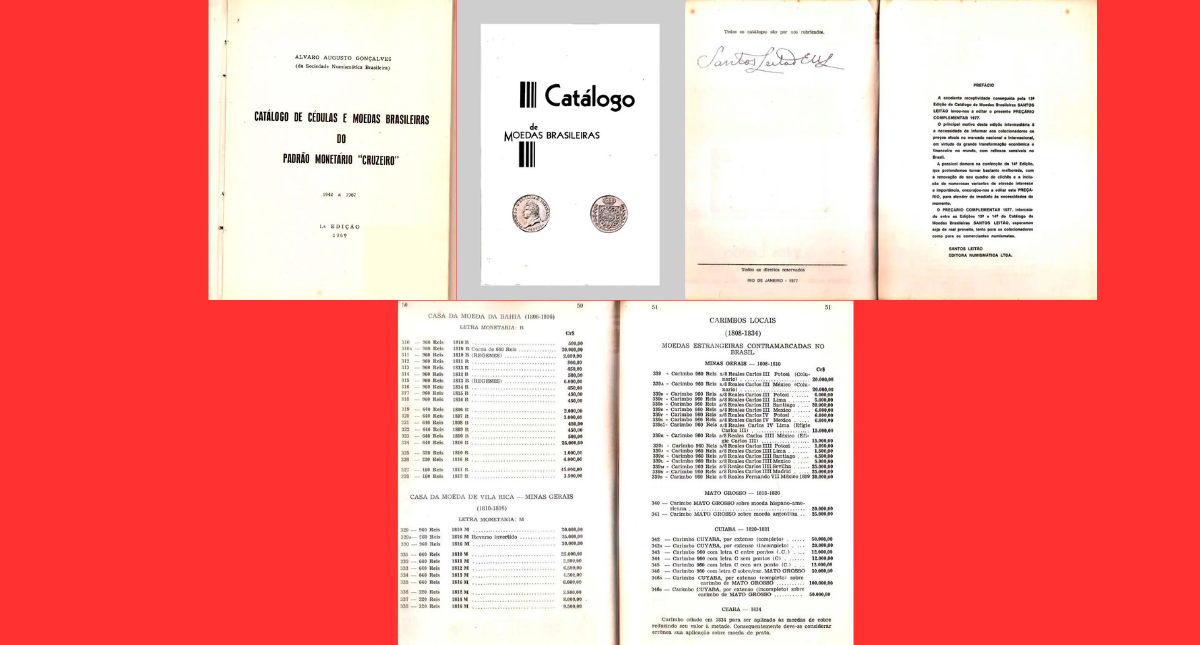
Introduction to the Brazilian Numismatic Market
The Brazilian coin market has evolved into a sophisticated and highly competitive environment, where collectors and investors seek precise, authoritative, and updated information. We present a comprehensive reference guide for evaluating, identifying, and pricing Brazilian coins, bringing clarity and structure to a segment that demands accuracy and historical depth.
Our purpose is to offer a complete resource that exceeds expectations by combining expert insights, technical analysis, historical relevance, and practical evaluation metrics.
The Importance of a Reliable Brazilian Coin Price Catalog
A meticulously curated coin catalog is indispensable for understanding the true value of Brazilian numismatics. It allows collectors to:
- Assess market value based on rarity, minting year, and conservation level
- Authenticate monetary items using recognized classification standards
- Track pricing fluctuations in auctions and private sales
- Build safe investment strategies within the numismatic sector
- Preserve coin heritage with historical context and professional grading methods
This guide consolidates these essential elements into a single, detailed reference.
Historical Evolution of Brazilian Currency
Understanding Brazilian coins requires observing the nation’s economic and political transformations. Each monetary cycle introduced unique designs, minting technologies, and metallurgical standards.
1. Colonial Period (1500–1822)
Coins were influenced by Portuguese minting, often circulating with irregular weight and shape. Rarity is significantly higher due to limited production.
2. Imperial Era (1822–1889)
Dom Pedro I and Dom Pedro II coins marked Brazil’s formal monetary identity, introducing standardized denominations and precious metals such as gold and silver.
3. Republican Period (1889–Present)
Among the most collected categories, modern republican coins vary widely in composition, commemorative purpose, and rarity. Key highlights include Cruzeiro, Cruzado, and Real-era designs.
Price Determination Factors in Brazilian Numismatics
Rarity and Mintage Volume
Coins with low mintage numbers or limited commemorative editions possess higher value and investment potential.
Conservation Grade
Professional grading standards (G, VG, F, VF, XF, AU, UNC) directly affect pricing. Mint-state coins (MS) achieve the highest market premiums.
Metal Composition
Precious metals such as gold, silver, and bronze significantly enhance collectability and long-term value retention.
Market Demand
Auction trends, collector interest cycles, and economic conditions influence price changes over time.
Historical Significance
Coins tied to major national events or transitional monetary periods often command superior valuations.
Comprehensive Brazilian Coin Classification
Below is a structured analysis of major categories covered in this catalog.
1. Gold Coins of Brazil
- 20 Mil Réis, 10 Mil Réis, 5 Mil Réis, Imperial Period issues
Valued for scarcity, metal content, and royal engravings.
2. Silver Series
- Crown-size silver coins, early republican silver, commemorative Olympic silver
Offer strong market performance and international collector interest.
3. Commemorative Coins
Brazil produces significant commemorative issues—historical events, national personalities, and cultural heritage themes.
4. Modern Circulating Coins of the Real
Key rarities include:
- 5 centavos (1999 low mintage)
- 1 real commemorative variants
- Olympic series (2016), notably sought after worldwide
Brazilian Coin Market Trends and Investment Outlook
The numismatic market in Brazil is experiencing accelerated digitalization, expanding access to authenticated catalogs and transparent pricing data. Investors increasingly seek rare Brazilian coins due to their:
- Long-term appreciation potential
- Scarcity-driven market resilience
- Cultural-historical value
- Low correlation with economic volatility
Suggested Diagram: Coin Valuation Workflow
flowchart TD
    A[Identify the Coin] --> B[Verify Authenticity]
    B --> C[Determine Conservation Grade]
    C --> D[Check Mintage and Rarity]
    D --> E[Analyze Market Trends]
    E --> F[Calculate Fair Market Value]
    F --> G[Decide on Purchase or Sale]
How to Build a High-Value Brazilian Coin Collection
To develop a professional-grade collection:
Establish a Target Theme
Focus on eras, metals, commemorative editions, or rare mint errors.
Acquire Certified Coins
Prefer grading services such as NGC and PCGS for maximum security and market acceptance.
Track Market Auctions
Monitor historical pricing and future bidding patterns.
Preserve Condition Properly
Use acid-free holders, controlled environment storage, and avoid direct handling.
Brazilian Mint Errors: Hidden Treasures
Mint errors are among the most coveted collectibles. Examples include:
- Die rotation errors
- Double striking
- Missing plating
- Rim anomalies
- Wrong-planchet strikes
These anomalies can multiply a coin’s value due to extreme rarity.
Where to Buy and Sell Brazilian Coins Safely
Trusted acquisition channels include:
- Accredited numismatic auctions
- Certified dealers
- Numismatic fairs
- Secure online marketplaces with verified sellers
- Collector associations and clubs
Always request certificates of authenticity and provenance when applicable.
Conclusion
This catalog provides a powerful and comprehensive tool for evaluating, identifying, and pricing Brazilian coins with professional accuracy. Collectors and investors now have an authoritative guide to navigate the complexities of Brazilian numismatics, make strategic decisions, and preserve one of the richest monetary heritages in the world.
