 MERCADAOREIS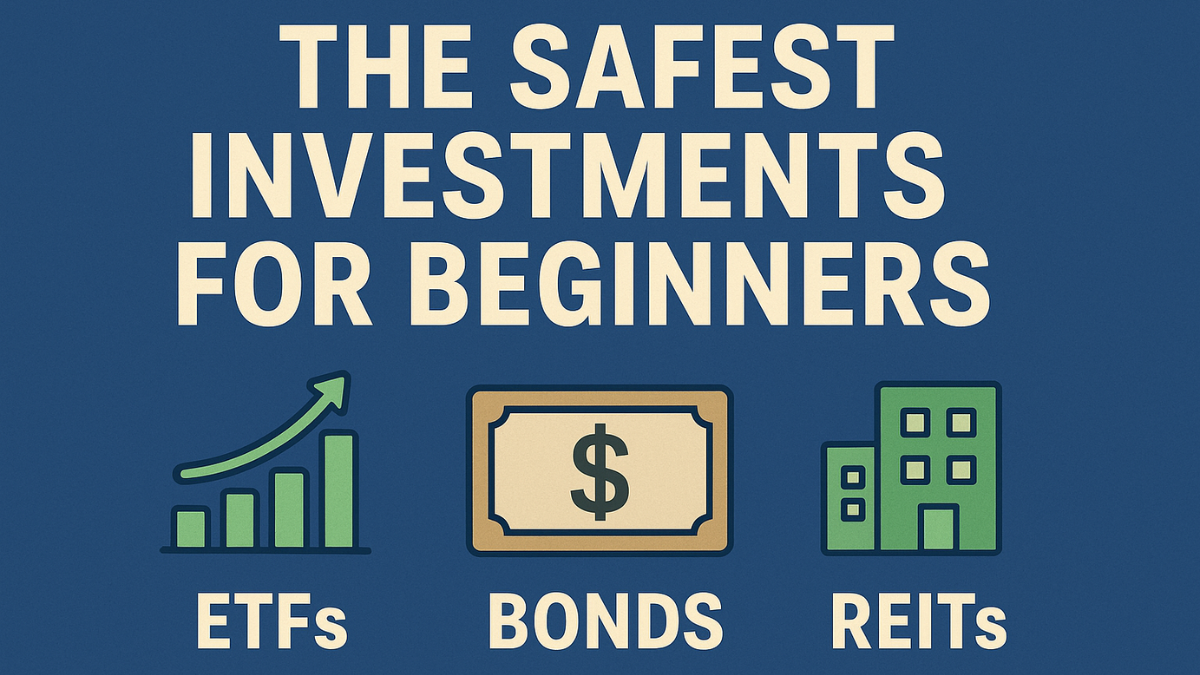
Getting started with investing doesn’t have to be overwhelming. In fact, some of the safest and most reliable assets are also the most beginner-friendly. Whether you’re from the United States, Canada, the UK, Australia, or Europe, this guide will show you the smartest low-risk ways to grow your wealth — even if you’re starting small.
Below, you’ll learn why ETFs, bonds, and Rests are considered some of the best “starter investments” worldwide, how they work, and how to choose the right ones for your financial goals.
⭐ Why Choose Low-Risk Investments as a Beginner?
If you’re new to investing, the priority is simple:
👉 Protect your money while it grows.
Low-risk investments help you:
- Build wealth consistently
- Reduce exposure to market crashes
- Learn the market with confidence
- Avoid emotional mistakes
- Create a stable foundation for long-term investing
Instead of chasing fast profits, safe assets help you stay in the game — and consistency is what builds real financial freedom.
1. ETFs (Exchange-Traded Funds): Simple, Safe & Diversified
ETFs have become the #1 choice for beginner investors worldwide — and for good reason.
✔ What Are ETFs?
An ETF is a basket of stocks, bonds, or other assets that you can buy with a single click.
They offer instant diversification, low fees, and predictable long-term performance.
✔ Why ETFs Are Safe for Beginners
- Spread your risk across hundreds or thousands of companies
- Lower fees than mutual funds
- Easy to buy through any broker
- Historically strong growth, especially for index ETFs
- Ideal for passive investing
⭐ The Safest ETF Categories
- Broad-market ETFs (e.g., S&P 500, MSCI World)
- Bond ETFs
- Dividend or low-volatility ETFs
- All-in-one ETFs (common in Canada and Europe)
Beginner Tip:
Start with a broad index ETF, which gives you exposure to the entire global market with one investment.
2. Bonds: Stability and Predictable Returns
Bonds are one of the oldest and safest investment vehicles. They’re perfect for beginners seeking security, income, and low volatility.
✔ Why Bonds Are Safe
When you buy a bond, you’re lending money to a government or corporation in exchange for interest.
High-quality bonds (especially government bonds in wealthy countries) carry extremely low risk.
⭐ Types of Bonds for Beginners
- Government Bonds (U.S. Treasury, UK Gilts, Canadian Government Bonds, Australian Commonwealth Bonds)
- Investment-Grade Corporate Bonds
- Municipal Bonds (USA)
- Bond ETFs for automatic diversification
✔ What Makes Bonds Valuable?
- Predictable interest payments
- Lower price swings than stocks
- Protection during market downturns
- Ideal for building a stable portfolio
Beginner Tip:
Consider Treasury bonds or bond ETFs if you want safety with minimal effort.
3. Rests: Real Estate Income Without Buying Property
Real Estate Investment Trusts (Rests) allow you to invest in high-quality properties without needing a huge amount of capital.
✔ Why Rests Are a Safe Starting Point
- They own profitable properties: apartments, malls, offices, hospitals, warehouses
- They pay dividends regularly
- They balance portfolio risk by adding real estate exposure
- Highly regulated in most wealthy countries
⭐ Good REIT Options for Beginners
- Equity Rests (property ownership)
- Residential Rests
- Commercial Rests
- Logistics/industrial Rests
- REIT ETFs, which reduce risk by diversifying
Beginner Tip:
Rests shine when you want passive monthly or quarterly income without being a landlord.
🚀 How to Build a Simple, Safe Beginner Portfolio
You don’t need complexity to succeed.
Here’s a basic example of a low-risk starter portfolio:
- 60% ETFs (global or domestic index funds)
- 30% Bonds (government or high-quality corporate)
- 10% Rests (income + diversification)
This structure gives you:
- Growth potential
- Lower volatility
- Stable income
- Protection during recessions
You can adjust percentages based on your risk tolerance.
🧠 Pro Tips for Beginner Investors
- Invest consistently (weekly or monthly)
- Reinvest dividends for faster growth
- Avoid trying to time the market
- Stick to simple, proven assets
- Use tax-advantaged accounts when available (RRSP, ISA, Roth IRA, Superannuation, etc.)
Success in investing is not about intensity — it’s about consistency.
📈 Final Thoughts: Safe Investing Is Smart Investing
If you’re a beginner, ETFs, bonds, and Rests are three of the safest, easiest, and most accessible investments available across the world’s richest economies.
They give you:
- Peace of mind
- Steady returns
- Lower volatility
- A strong foundation to grow wealth
Start small, stay consistent, and let time work in your favor.
👉 Ready to Begin Investing Safely?
If you want a personalized plan — tailored to your country, risk tolerance, and budget — just ask:
“Can you build me a beginner portfolio using ETFs, Bonds, and Rests?”
